

Drainage Design for Flat Roofs: Why It Matters
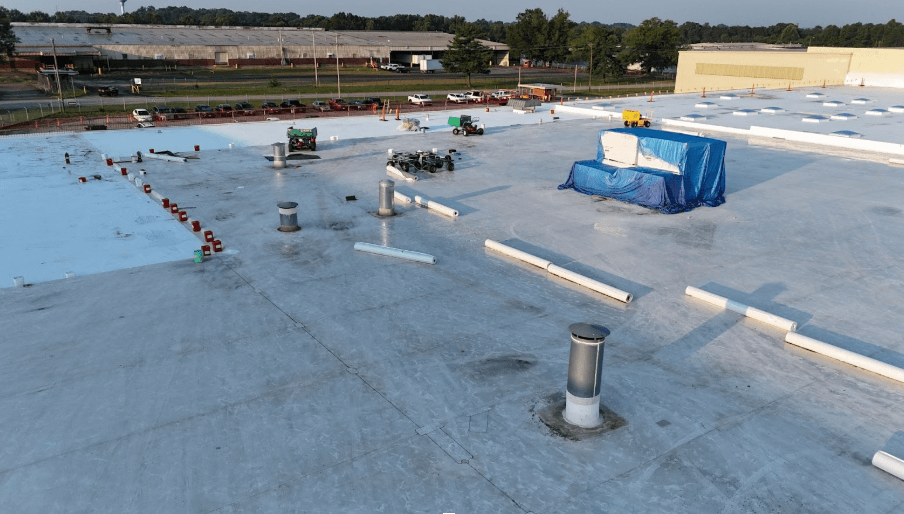
Drainage Design for Flat Roofs: Why It Matters
When people think about flat roofing, they usually picture membranes and other protective materials. But there's one component of a flat or low-slope roof that is just as important (and often overlooked): drainage design.
A well-designed drainage system is the difference between a roof that lasts decades and one that fails prematurely. Without proper drainage, even the best flat roofing materials can suffer from leaks, structural stress, and costly water damage.
At Applied Roofing Solutions, we've seen firsthand how critical drainage is to roof performance. Let's explore why drainage design matters, the most common systems for flat roofs, and how to ensure your building is protected year-round.
Why Drainage Design Matters for Flat Roofs
Flat roofs aren't truly flat—they have a slight slope, usually about 1/4 inch per foot, to direct water toward drains or edges. But without a carefully planned drainage system, water can still collect, leading to problems such as:
- Ponding water: Standing water that lingers more than 48 hours can stress roofing membranes, break down materials, and void warranties.
- Leaks and interior damage: Water finds its way into seams, penetrations, and flashing, often causing ceiling stains, mold, or ruined insulation.
- Added weight: Just one inch of standing water can weigh more than 5 pounds per square foot. On large roofs, this can put dangerous strain on structural components.
- Shortened roof lifespan: A roof designed to last 20–30 years may fail years earlier if drainage is neglected.
Simply put, proper installation and drainage are the foundations of roof longevity.
Common Drainage Solutions for Flat Roofs
There's no one-size-fits-all drainage solution. The right system depends on your building's size, slope, climate, and roofing material. Here are the most common designs:
1. Interior Drains
- How they work: Placed strategically in low areas of the roof, interior drains funnel water through pipes inside the building and out to the ground.
- Best for: Large commercial roofs where exterior gutters aren't practical.
- Pros: Protects building façade, reduces ice buildup in cold climates.
- Cons: More expensive to install and maintain; clogs can cause backups.
2. Scuppers
- How they work: Openings in the roof edge that allow water to flow directly off the side of the building, sometimes into downspouts or leader boxes.
- Best for: Smaller roofs or where simple, cost-effective drainage is needed.
- Pros: Inexpensive and easy to install.
- Cons: Can create water streaking on walls; less effective in heavy rain unless paired with downspouts.
3. Gutters
- How they work: Channels attached along the roof edge collect rainwater and direct it to downspouts.
- Best for: Smaller commercial properties and residential-style flat roofs.
- Pros: Familiar, affordable, and relatively easy to maintain.
- Cons: Susceptible to clogging from leaves, debris, or ice.
4. Siphonic Roof Drainage Systems
- How they work: They use specialized drains and piping to create a siphoning effect, moving large volumes of water quickly without slopes.
- Best for: Very large, flat commercial or industrial roofs.
- Pros: Highly efficient, reduces the need for multiple pipes.
- Cons: Requires precise engineering and professional installation.
Key Considerations in Flat Roof Drainage Design
An effective drainage system isn't just about choosing scuppers, drains, or gutters—it's about designing for performance. Here's what experts prioritize:
Roof Slope
Even "flat" roofs should have a minimum slope to prevent ponding. Building codes typically require at least 1/4 inch per foot for proper drainage. If your roof is preventing drainage, you need to call a local professional (like Applied Roofing Solutions) for support.
Drain Placement
Drains should be strategically located in low points. Poor placement is one of the most common causes of ponding water.
Overflow Protection
Backup systems, such as secondary drains or overflow scuppers, ensure your roof won't flood if the primary drainage system clogs.
Climate Factors
In cold climates, drainage must account for snowmelt and ice dams. Meanwhile, in heavy rainfall areas, larger capacity drains and gutters are essential to managing extra water.
Maintenance Access
Designing a system that can be easily inspected and cleaned saves money and prevents emergencies down the road.
The Cost of Poor Drainage
Ignoring or underestimating roof drainage can lead to serious (and expensive) problems:
- Roof repairs: Patching leaks caused by ponding water.
- Interior damage: Replacing insulation, ceiling tiles, or drywall after water intrusion.
- Mold remediation: Removing mold caused by trapped moisture.
- Structural repairs: Fixing decking or support beams weakened by water weight.
- Premature replacement: Spending hundreds of thousands on a new roof years earlier than planned.
Maintenance: The Lifeline of Flat Roof Drainage
Even the best commercial roofing drainage system can fail if it's not maintained. A proactive plan should include:
- Regular inspections: At least twice a year (spring and fall) and after major storms.
- Clearing debris: Leaves, dirt, and trash should be removed from drains, scuppers, and gutters.
- Checking for clogs: Ensure downspouts and pipes are unobstructed.
- Monitoring slope and settlement: Over time, buildings shift, and slopes can change—leading to new ponding areas.
At Applied Roofing Solutions, we offer preventative maintenance programs that include detailed inspection reports and on-the-spot clearing of drains to keep your system performing.
Why Work with a Professional Roofing Contractor?
Commercial roofing isn't a DIY project. Partnering with an experienced commercial roofing contractor ensures:
- Compliance with building codes and manufacturer warranties.
- Proper slope calculations and drain placement.
- Correct sizing of gutters, downspouts, and piping.
- Integration with your roof's waterproofing system.
- Access to emergency services if drainage issues arise.
Our team specializes in flat roofing systems and drainage design, helping property owners avoid costly mistakes and extend roof life.
Final Thoughts: Why Flat Roof Drainage Is Worth the Attention
A commercial roof is only as strong as its ability to shed water. Proper drainage, design, and installation are the silent heroes that protect your investment, keep your building dry, and ensure your roofing system reaches its full lifespan.
Don't wait until ponding water turns into leaks and structural damage. Contact Applied Roofing Solutions today. Together, we'll ensure your flat roof stays watertight, efficient, and built to last.
Our expert roofing solutions are tailored to businesses throughout the NC Piedmont region, extending into Southwest Virginia. Explore our portfolio or contact our commercial roofing professionals to get started today!
.jpg)

