

Pharmaceutical Roofing: Compliance, Contamination Control, and Operational Continuity
Pharmaceutical manufacturing facilities demand a level of roofing precision that goes well beyond standard commercial construction. The roof of a pharmaceutical plant is an active component of the building's contamination control system, its energy management infrastructure, and its regulatory compliance posture. A failure in any of those areas carries consequences that extend well beyond the cost of repairs.
At Applied Roofing Solutions, we bring the technical knowledge, material expertise, and project management discipline that pharmaceutical roofing projects require.
Why Pharmaceutical Facilities Are Different
The regulatory environment governing pharmaceutical manufacturing is among the most demanding in any industry. FDA Current Good Manufacturing Practice (cGMP) regulations set strict requirements for facility design and maintenance, including the building envelope. A roof that allows moisture intrusion, supports mold or bacterial growth, or compromises the controlled interior environment is not just a maintenance problem. It is a compliance problem with real consequences for production, inspection outcomes, and product safety.
Pharmaceutical roofs must manage:
- - Contamination control: Any moisture intrusion into a cleanroom, manufacturing suite, or product storage area can trigger a contamination event that halts production and requires extensive remediation
- - Controlled interior environments: Many pharmaceutical processes require precise control of temperature, humidity, and pressure. Roof insulation performance and air barrier continuity directly affect the building's ability to maintain those parameters
- - Chemical and fume resistance: Rooftop exhaust systems discharge chemical vapors, solvent fumes, and process gases that can degrade standard roofing membranes over time if the wrong materials are specified
- - 24/7 operational continuity: Production schedules rarely allow for significant downtime, which means roofing work must be planned and phased with minimal disruption to manufacturing operations
- - Documentation and traceability: Regulatory inspections may include review of facility maintenance records, including roofing work. Detailed documentation of materials used, installation methods, and inspection findings is not optional
Rooftop Equipment and Penetration Management
Pharmaceutical facilities typically carry a dense rooftop equipment footprint. Multiple large air handling units, dedicated exhaust fans for different zones, emergency generator exhaust stacks, and specialized process ventilation equipment all require penetrations through the roof membrane. Each one is a potential water entry point if not properly detailed and maintained.
Applied Roofing Solutions coordinates closely with mechanical and process engineers during both new construction and re-roofing projects to ensure that every penetration is properly flashed, that exhaust discharge points are positioned appropriately relative to air intakes, and that equipment curbs are sized and detailed to support long-term maintenance access without damaging the surrounding membrane.

Maintenance and Inspection Programs
Proactive roof maintenance is especially important for pharmaceutical facilities, where a deferred repair can become a contamination event. Our commercial roof inspection and maintenance programs for pharmaceutical clients include detailed condition reports with photographic documentation, findings presented in a format that supports facility maintenance records, and recommended repair scopes that prioritize areas of highest contamination risk.
Working Around Active Manufacturing

Phasing
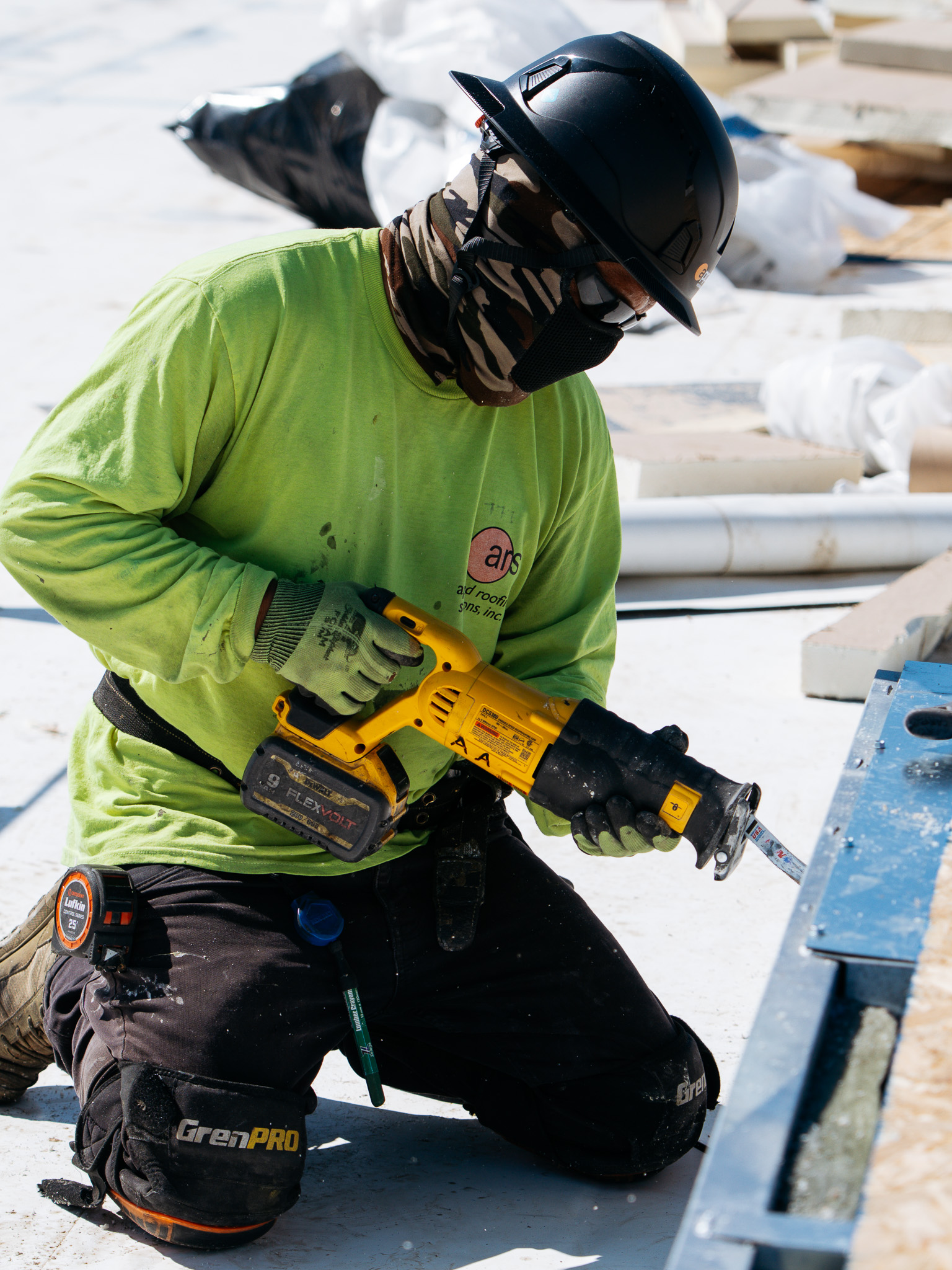
- Phasing work by roof section to avoid simultaneous disruption of multiple HVAC intake zones
Materials
- Use of low-VOC adhesives and materials to minimize chemical introduction into the building's air supply
Protection
- Temporary protection of all air handling unit intakes during tear-off phases

Communication
- Real-time communication protocols with facility engineering and operations teams

Documentation
- Detailed daily logs of work completed, areas affected, and any conditions encountered that require attention
Material Selection for Pharmaceutical Roofing
Not every commercial roofing membrane is appropriate for a pharmaceutical environment. Material selection must account for chemical compatibility, energy performance, and regulatory suitability.
TPO Membranes
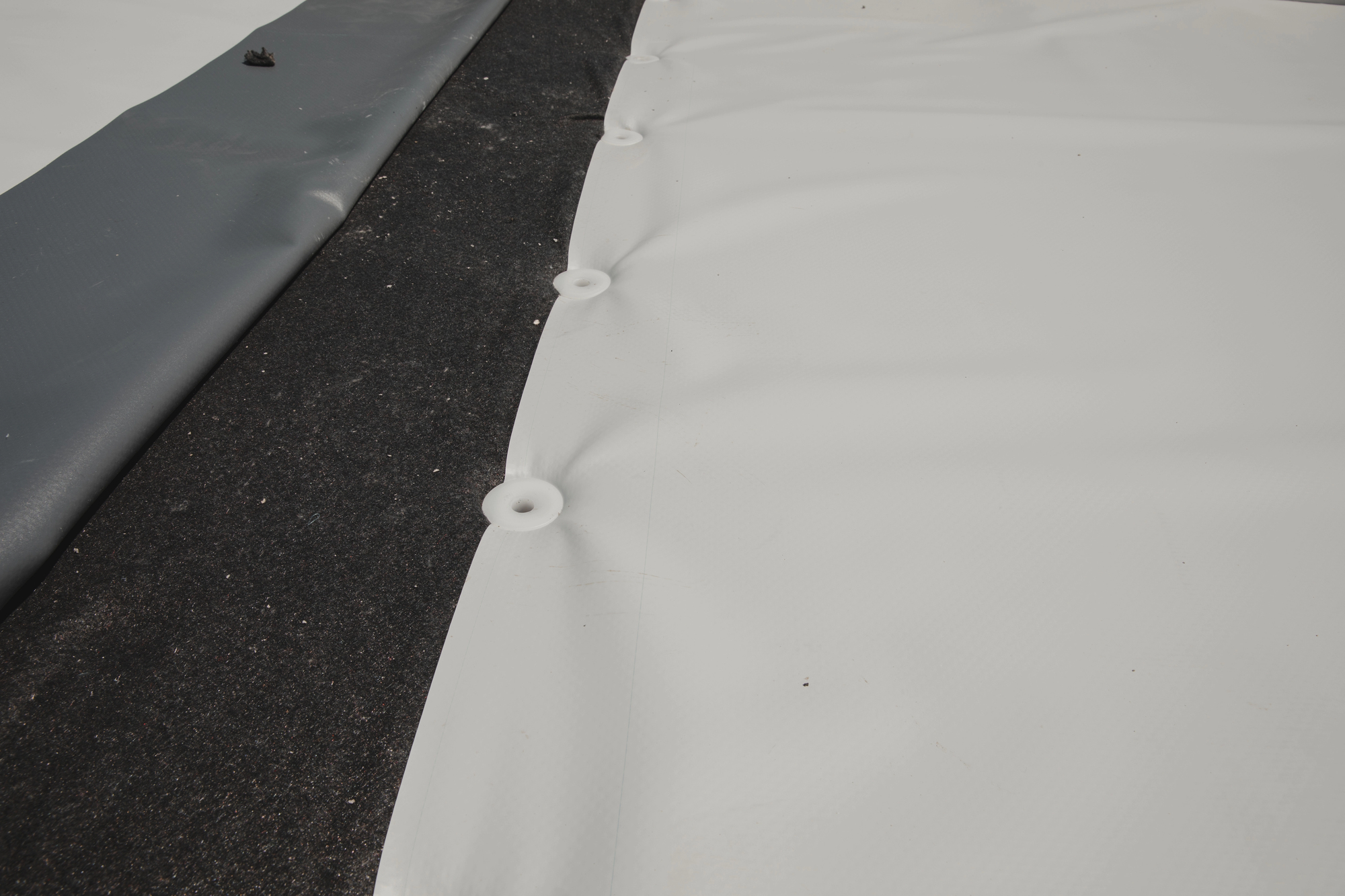
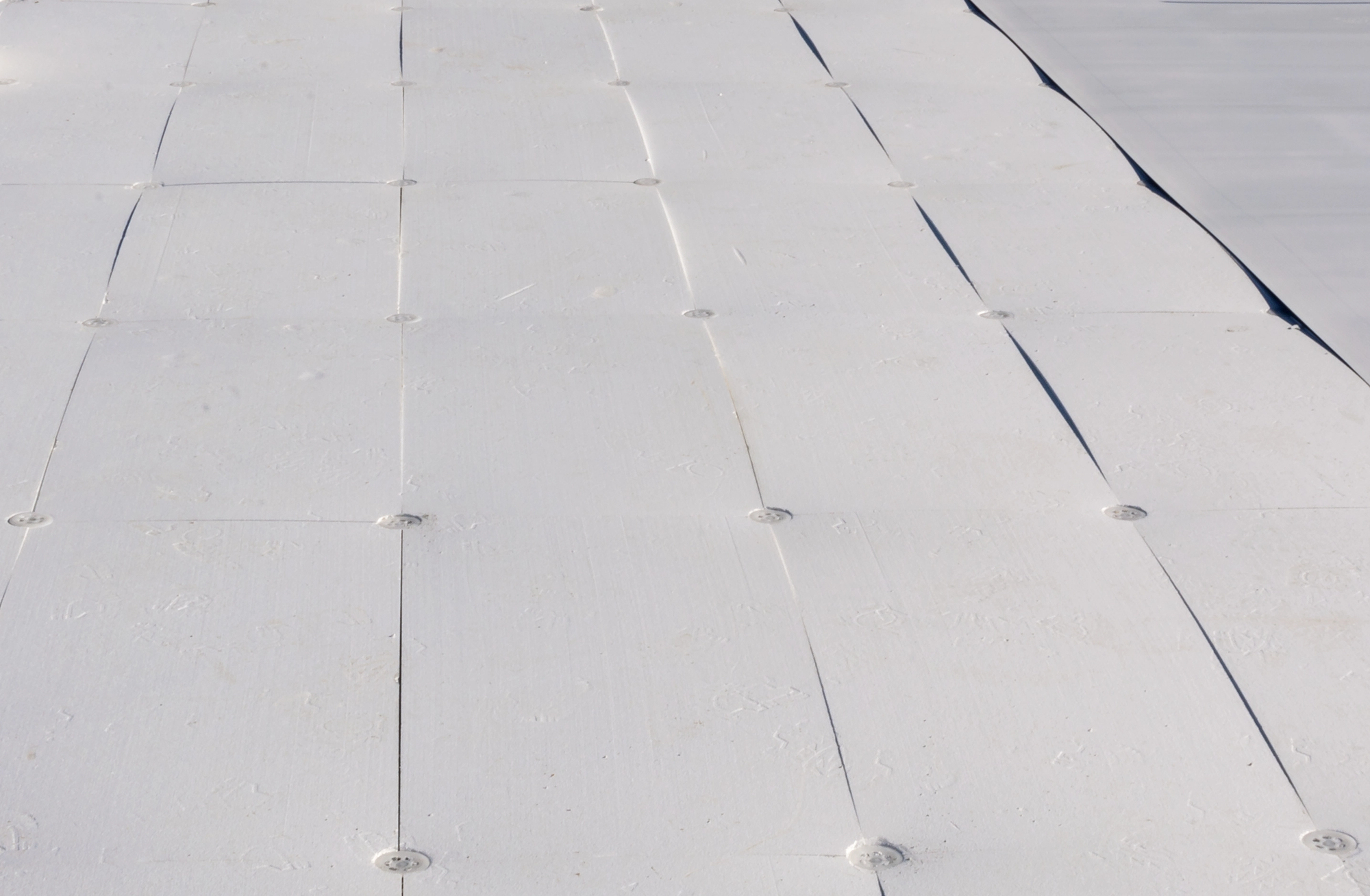
Adhered TPO systems are appropriate for pharmaceutical facilities where chemical fume exposure is limited, particularly in administrative or warehouse sections of the building. TPO's high solar reflectance values contribute to energy efficiency, which is especially valuable in large-footprint pharmaceutical campuses with significant HVAC loads.
PVC Membranes
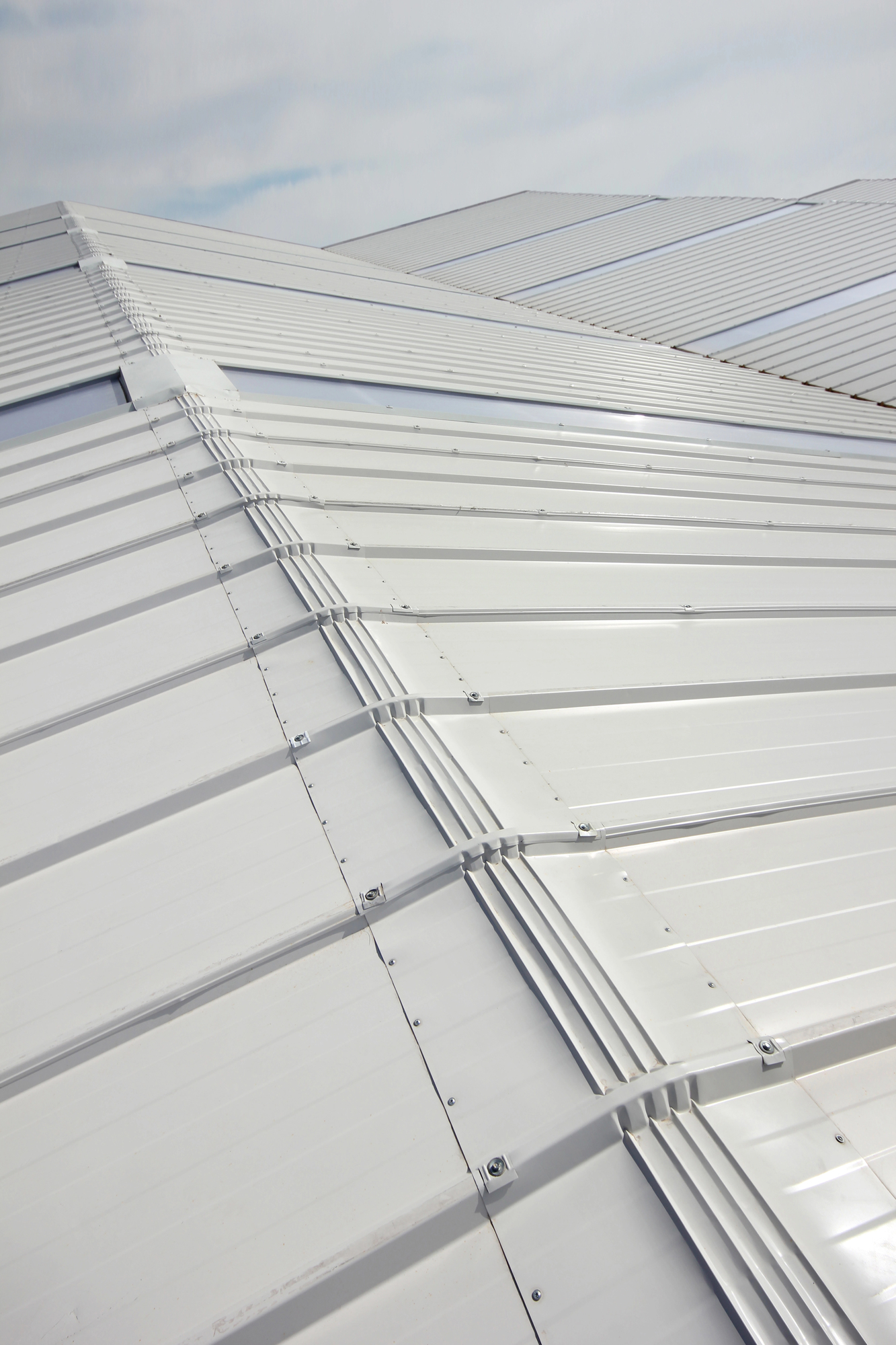
PVC is often the preferred membrane for pharmaceutical applications because of its superior chemical resistance. In areas where rooftop exhaust stacks discharge solvent vapors, cleaning chemical fumes, or other process byproducts, PVC provides a more durable barrier than TPO or EPDM alternatives. PVC is also Class A fire-rated in most configurations and meets the strict fire performance requirements that pharmaceutical facilities typically carry under their insurance and code classifications.
.jpg)
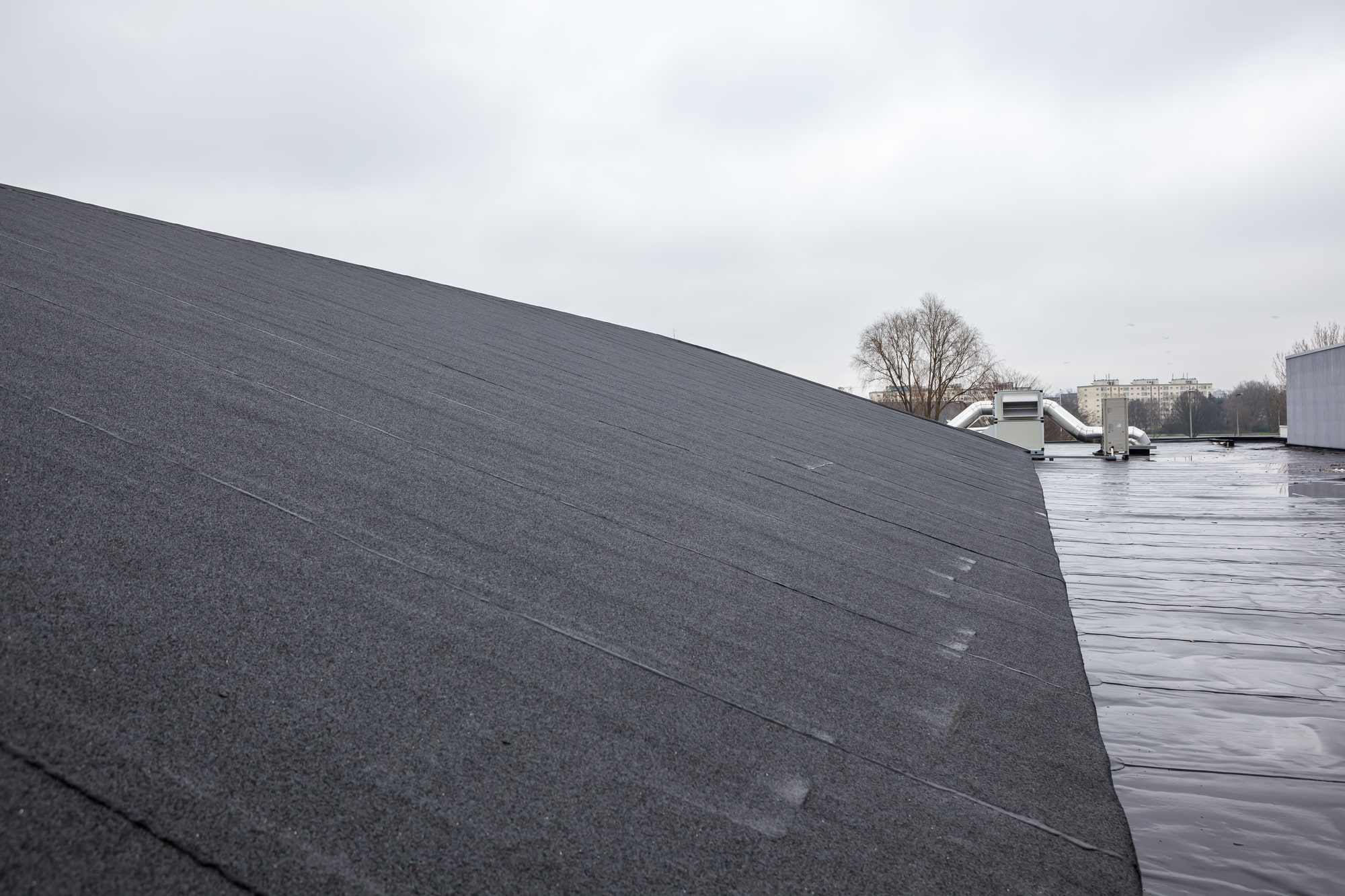
Modified Bitumen
For pharmaceutical facilities requiring redundant waterproofing protection, two-ply modified bitumen systems provide built-in backup: if one layer develops a breach, the system continues performing. These systems are well-suited for facilities with heavy rooftop mechanical equipment loads from the air handling units, exhaust systems, and process ventilation equipment that pharmaceutical manufacturing demands.
Applied Roofing Solutions for Pharmaceutical Facilities
Complexity is where we thrive. At Applied Roofing Solutions, we have direct experience with the unique demands of pharmaceutical and regulated manufacturing environments, from material specification and penetration detailing to active-facility project management and compliance documentation.
Our pharmaceutical roofing solutions serve facilities throughout the NC Piedmont region and Southwest Virginia. Explore our work or contact our team to discuss your facility's specific requirements.
Partner With Us
Our team is ready to support you with any challenges or questions you may have.
FAQs
Do you work in occupied pharmaceutical facilities?
Yes. We have direct experience managing roofing projects around active manufacturing operations, including phased work plans, HVAC intake protection, low-VOC materials, and real-time communication with facility engineering teams.
What roofing membrane is best for a pharmaceutical facility?
PVC is often the preferred choice because of its superior chemical resistance against solvent vapors and process fumes. TPO is appropriate in areas with lower chemical exposure, and two-ply modified bitumen is a strong option where redundant waterproofing is a priority.
Can roofing work affect our FDA compliance or inspections?
It can, if not managed correctly. A roof that allows moisture intrusion or compromises controlled interior environments can create cGMP compliance issues. Proper documentation of all roofing work also supports your facility maintenance records during regulatory inspections.
How do you protect our HVAC systems during a roofing project?
We identify and protect every outdoor air intake before demolition begins, using temporary screens or covers to prevent dust and debris from entering the building's air supply.
Do you provide documentation for regulatory purposes?
Yes. We maintain detailed daily logs, material records, and inspection reports throughout every project — formatted to support the documentation requirements pharmaceutical facilities face during regulatory and accreditation reviews.
