

How Building Codes for Commercial Roofing Are Changing in 2026
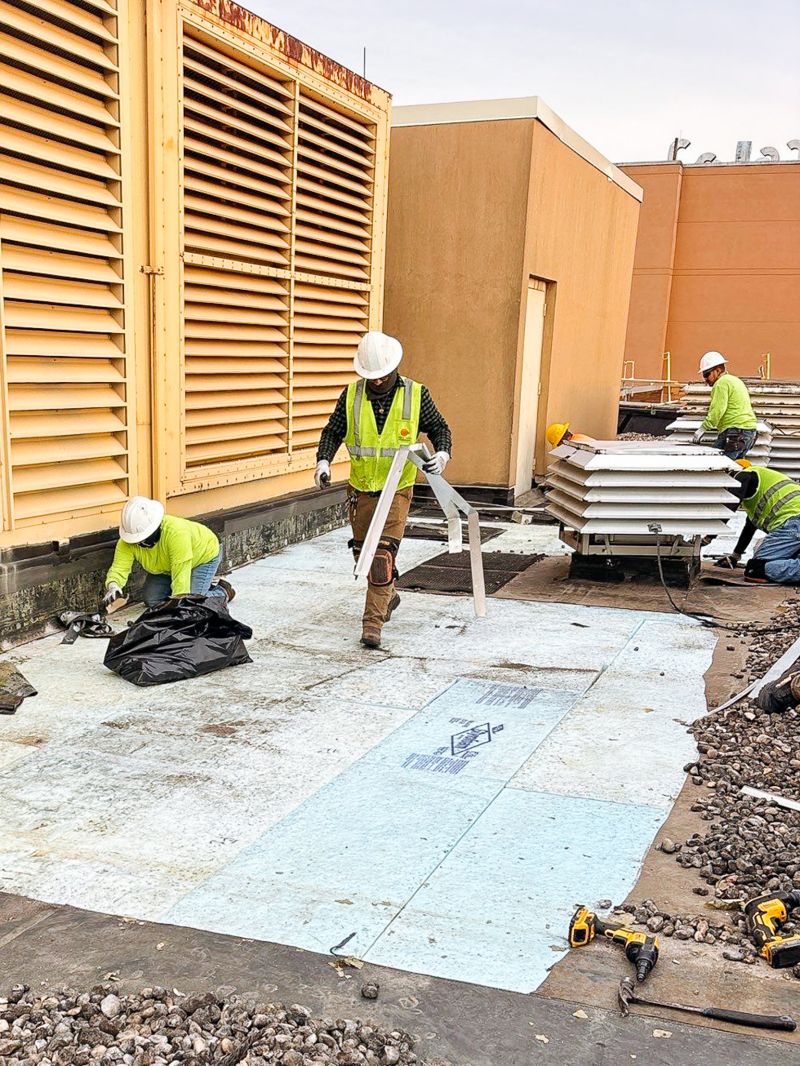
If you manage, own, or develop commercial properties, 2026 is a year to pay close attention to building codes. Across the country, jurisdictions are actively adopting or enforcing updated versions of the International Building Code (IBC) and the International Energy Conservation Code (IECC), and those changes carry real consequences for roofing systems, including how they're designed and installed to how they perform over their lifetime.
Let’s explore the most significant commercial roofing code shifts underway in 2026, why they matter, and what you need to do to stay compliant.
Why Building Codes Are Shifting Right Now
The International Code Council (ICC) updates its model codes (including the IBC and IECC) on a three-year cycle. The 2024 editions of these codes were published and released for adoption, and 2026 is when many states and municipalities are formally putting them into effect. Some jurisdictions are still enforcing the 2021 codes with local amendments, while others are jumping ahead.
The bottom line: where you build determines which code applies, and the gap between jurisdictions is growing wider. A project permitted in one city may face dramatically different roofing requirements than one permitted just across a county line.
The Biggest Commercial Roofing Code Changes in 2026
1. Stricter Energy Efficiency and Insulation Standards
The 2024 IECC raises the bar for thermal performance in commercial roofing assemblies. Higher R-values for roof insulation are required across multiple climate zones.
The code now places greater emphasis on addressing thermal bridging (how metal fasteners, structural elements, or other conductive materials can create pathways for heat to escape through an otherwise well-insulated roof. In practice, these changes include:
- More continuous insulation above the roof deck, rather than just between structural members
- Stricter U-value requirements for overall roof assembly performance
- Verification requirements for air barriers. Inspectors must now confirm air barrier continuity during construction, not just review it on paper
- Pressure on contractors to document compliance more carefully at each phase of installation
The ASHRAE 90.1-2022 standard, which many states reference for commercial energy compliance, echoes these requirements and adds new performance metrics for rooftop HVAC equipment that can affect how roofing assemblies are engineered around mechanical units.
2. Expanded Requirements for Cool Roofs and Solar Reflectance
Energy codes are increasingly mandating minimum solar reflectance and thermal emittance for low-slope commercial roofs. Several jurisdictions now require:
- A minimum aged Solar Reflectance Index (SRI) of 64 or higher for low-slope roofs over conditioned spaces
- Some cities are pushing requirements above SRI 78 for low-slope commercial roofs going into effect in mid-2026
- Roof replacements (not just new constructions) must comply with reflectance standards where insulation is part of the thermal envelope
This matters for material selection. Not all TPO, EPDM, or BUR membranes meet the new thresholds out of the box. Working with a roofing contractor who understands which products are rated and tested by the Cool Roof Rating Council (CRRC) can save significant time and money during permitting.
3. Updated Wind Uplift and Drainage Requirements
The 2024 IBC contains significant revisions to Chapter 15, which governs roof assemblies and rooftop structures. Two of the most impactful areas:
Wind uplift: The 2024 IBC aligns wind load calculations with ASCE 7-22, the updated engineering standard for structural loads. This means:
- Revised wind speed maps that increase design pressures in some regions
- More detailed requirements for component and cladding (C&C) wind zones, which must now be clearly identified in construction documents
- Stricter fastening and attachment requirements in high-wind corridors, particularly along coastlines and in hurricane-prone regions
Drainage: Roof drainage rules are significantly changed. If the roof perimeter construction extends above the roof surface (as with parapet walls), secondary emergency overflow drains or scuppers are required. Overflow scuppers must be sized at three times the capacity of primary drains, with a minimum opening height of four inches.
4. Building-Integrated Photovoltaics (BIPV) Get a Code Framework
For years, solar installations on commercial rooftops existed in a regulatory gray zone across multiple code sections. The 2024 IBC introduces formal definitions and dedicated code sections for Building-Integrated Photovoltaic (BIPV) systems, including BIPV roof coverings such as solar tiles and integrated roof panels:
- Rooftop solar is no longer treated purely as mechanical equipment. It's now classified as a roof covering in many applications
- Structural load requirements must account for panel weight, maintenance foot traffic, and wind uplift on the panels themselves
- Flashing, waterproofing, and membrane compatibility around BIPV installations are now subject to code scrutiny, not just manufacturer instructions
If your commercial building is being designed with rooftop solar in mind (or you're planning to add it during a re-roof), understanding this new framework early prevents costly redesigns later.
5. Wildfire and Fire-Resistance Standards Are Tightening
Driven in part by IBHS (Insurance Institute for Business and Home Safety) advocacy, the 2024 codes include expanded fire-resistance provisions for commercial roofing in wildland-urban interface (WUI) areas and high-wind zones:
- Roofing underlayment standards have been updated to align with FORTIFIED® sealed roof deck (SRI) requirements in areas with design wind speeds of 130 mph and above
- Ignition-resistant construction now requires a minimum of six inches of metal flashing or noncombustible material at wall-to-roof intersections
- Ventilation openings (soffit vents, attic vents) are restricted to 1/8-inch mesh screens (down from the previous 1/4-inch standard) to prevent ember intrusion
Even commercial buildings outside traditional wildfire zones may be affected if they fall into updated high-wind design regions.
What These Changes Mean for Property Owners and Facility Managers
Staying ahead of these changes isn't just about avoiding failed inspections. Code compliance affects:
- Insurance coverage: non-compliant roofing can create gaps in coverage after wind, fire, or water events
- Project timelines: discovering a code issue mid-project causes expensive delays
- Re-roofing eligibility: some updates apply to replacements, not just new construction
- Building value: energy-compliant roofs with high reflectance and proper insulation can reduce operating costs and improve asset value
Before any commercial roofing project in 2026, verify which code edition is active in your specific jurisdiction. The difference between a 2021 and 2024 adoption can mean different insulation requirements, wind load calculations, and drainage specifications.
Choose Applied Roofing Solutions for Compliant Commercial Roofing
Code changes of this magnitude require a roofing partner who understands how to design and install systems that will pass inspection, perform over time, and protect your investment. At Applied Roofing Solutions, we stay current on every code update that affects our clients, from IBC Chapter 15 structural requirements to the latest IECC energy standards.
Our expert roofing solutions are tailored to businesses throughout the NC Piedmont region, including Greensboro, Raleigh, Reidsville, Madison, Eden, Mayodan, Graham, Burlington, Mebane, and beyond. We also extend our commercial roofing services to Southwest Virginia, including Danville, Martinsville, Stuart, Collinsville, Stanleytown, and Patrick Springs.
We invite you to explore our portfolio or contact our commercial roofing experts to get started today!

