

Commercial Roofing for Industrial Plants: A Complete Guide
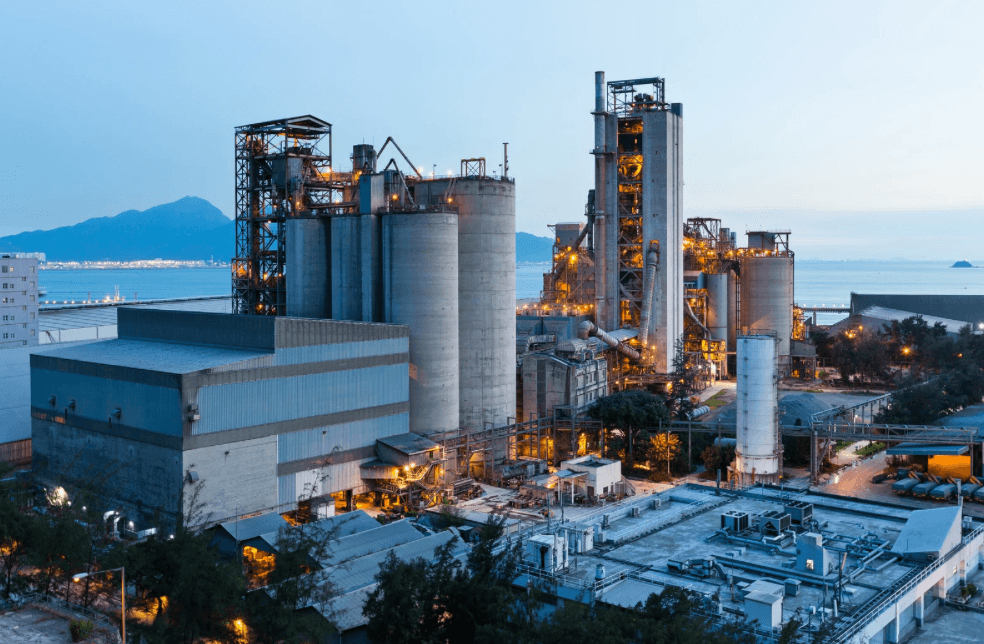
A failing roof over a manufacturing plant, warehouse, or processing facility has higher stakes than you would find in a typical commercial building. Roofing issues put expensive machinery, sensitive inventory, employee safety, and operational continuity at risk.
Industrial roofing is more complex (and the consequences of failure are more severe), making it especially important to find the right roofing experts for you. Let's explore everything you need to know about commercial roofing for industrial plants.
What Makes Industrial Roofing Different
Industrial facilities present a unique set of challenges that distinguish them from office buildings, retail centers, or healthcare campuses. Key factors that set industrial roofing apart:
- Larger roofing systems: Industrial buildings often have expansive, uninterrupted roof areas that increase the complexity of drainage design and structural load management.
- Rooftop equipment density: HVAC units, exhaust systems, ventilation stacks, skylights, and utility penetrations are common, and each creates a potential leak point.
- Chemical and thermal exposure: Manufacturing processes can release fumes, oils, and chemicals that degrade standard roofing materials faster than usual.
- Vibration and movement: Running heavy machinery creates structural vibrations that can stress roofing membranes and seams over time.
- Temperature extremes: Industrial spaces often run hotter than typical commercial buildings, accelerating thermal expansion and contraction cycles.
- Operational sensitivity: Many facilities cannot afford roofing failures or downtime, which means preventative care is especially important. In the case of repairs, roofing work must be carefully planned around production schedules.
Understanding these factors is essential to making smart decisions about your industrial roof, from material selection through long-term maintenance.
Common Roofing Systems Used in Industrial Facilities
Choosing the right roofing system for an industrial plant requires balancing durability, chemical resistance, cost, and the specific conditions inside and around the building. Let's explore the most widely used systems:
TPO (Thermoplastic Polyolefin)
TPO membranes are one of the most popular choices for industrial and commercial facilities today. It offers excellent protection from UV radiation, punctures, and chemical exposure (including oils and industrial fumes). TPO is heat-welded at the seams, creating bonds that are often stronger than the membrane itself. The white reflective surface also helps reduce cooling costs in large facilities, especially in the south.
TPO is best for: Warehouses, distribution centers, light manufacturing facilities, and buildings with high UV exposure.
EPDM (Ethylene Propylene Diene Monomer)
EPDM is a synthetic rubber membrane known for its exceptional durability and flexibility across a wide temperature range. It's been used in commercial and industrial roofing for decades with a strong track record for longevity. However, EPDM is petroleum-based, which means it can be vulnerable to certain oils and solvents found in some industrial environments.
EPDM is best for: Facilities in colder climates, buildings with significant thermal cycling, and applications where flexibility and long service life are priorities.
PVC (Polyvinyl Chloride)
PVC roofing membranes offer outstanding chemical and fire resistance, making them ideal for industrial facilities with grease, oils, or harsh byproducts. Like TPO, PVC seams are heat-welded for a watertight bond. PVC tends to be more rigid than TPO, which can hurt long-term performance in extremely cold climates.
PVC is best for: Food processing plants, chemical facilities, restaurant or kitchen exhaust environments, or any facility with significant grease or chemical exposure
Built-Up Roofing (BUR)
Built-up roofing consists of multiple alternating layers of bitumen and reinforcing fabrics, topped with a protective surface. BUR systems are extremely durable, offer good puncture resistance, and have been a reliable solution for industrial facilities for generations. They're heavier than single-ply membranes, which can factor into structural load calculations.
BUR is best for: Industrial facilities requiring extra durability or older buildings with existing BUR systems being restored or supplemented.
Other Considerations for Industrial Roof Design
Beyond material selection, industrial roofing projects require expertise in design and engineering factors that don't always apply to standard commercial work, including:
- Structural load capacity: Industrial roofs frequently support heavy HVAC equipment, process exhausts, solar panels, and more. Projects should start with a structural assessment to confirm the roofing load it can handle.
- Drainage design: Ponding water is a common concern for flat or low-slope roofs. Industrial facilities with large roof areas need properly engineered drainage systems (including primary drains, secondary (overflow) drains, and scuppers) to safely handle rainfall.
- Thermal and vapor management: Industrial buildings often generate a lot of heat and moisture. Without proper vapor retarders and insulation design, condensation can get into the roof assembly, which can quickly cause wet insulation, mold, and premature system failure.
- Penetration management: Every pipe, vent, exhaust stack, and curb that passes through the roof membrane is a potential leak point. Industrial facilities tend to have many more penetrations than typical commercial buildings, and each one requires proper flashing, sealing, and ongoing inspection services.
- Energy efficiency: Because industrial roofing systems are so large, even small roofing decisions can have a greater impact on energy costs. Reflective membranes, proper insulation, and air sealing can significantly reduce HVAC loads in both the summer and winter.
The Importance of Commercial Roofing Maintenance for Industrial Facilities
A high-quality roofing system is an investment that requires ongoing care to maintain. With the right service, your new roof will save you money and last long-term, needing only minor repairs along the way. Without service, industrial roofs almost always develop costly problems, extensive issues, and premature failure.
A proactive maintenance program for an industrial roof should include:
- Bi-annual professional inspections: Spring and fall inspections allow you to identify damage from winter weather and prepare for summer heat.
- Post-storm assessments: After hurricanes and other extreme weather, a post-storm inspection can catch damage before it leads to problems.
- Drain and scupper clearing: Debris buildup in drains is one of the most preventable causes of roof damage. It is essential to check and clear them regularly.
- Penetration and flashing checks: Periodic inspections can catch small issues before they escalate.
- Documentation and record-keeping: Maintaining a log of inspections, repairs, and material coverage helps with warranty agreements, insurance claims, future planning, and capital budget forecasting.
Many facility managers find it useful to establish a formal roofing maintenance agreement with a trusted contractor (like Applied Roofing Solutions). This ensures inspections happen on schedule and gives you someone to call when an issue arises.
Re-Roofing vs. Roof Overlay vs. Full Replacement
At some point, every industrial roof reaches the end of its service life. Understanding your options helps you make the right decision for your business, including:
- Roof overlay (recover): A new membrane is installed directly over the existing one, avoiding the cost and disruption of a full tear-off. This is a viable option when the existing roof deck is structurally sound, moisture saturation is minimal, and building codes permit it. Overlays typically cost less and can often be completed faster.
- Full replacement: When an existing roof has significant moisture damage, multiple layers already in place, or structural issues, a full tear-off and replacement is the right call. While more disruptive and costly upfront, it gives you a fresh start with a full-warranty system and eliminates the risk of hidden moisture problems undermining a new installation.
- Targeted repair: If a roof is generally in good condition but has isolated damage zones, targeted repairs can help extend its service life. This approach works best when overall membrane integrity is strong and the repair areas are clearly defined.
The right choice depends on the condition of your existing system, your budget, and your long-term plans for the facility. A qualified commercial roofing contractor can help you explore your options with core samples and moisture survey data.
Working with the Right Roofing Contractor
The complexity of industrial roofing projects (large spans, equipment coordination, operational constraints, and technical specification requirements) means you need a reputable contractor with experience in industrial environments. When finding a roofing contractor for your industrial project, look for:
- Demonstrated experience with industrial and large-scale commercial projects
- Familiarity with the specific roofing systems you are considering
- References from comparable facility types
- Warranty support from both the contractor and the manufacturer
- The ability to work around your operational schedule with minimal production disruption
- A strong safety program and documentation to protect from industrial job site hazards
- (Hint: Ask for your contractor's EMR rating, the lower the better. For example, Applied Roofing Solutions has an EMR rating of .61, which is one of the best in the state.)
The relationship between a facility and its roofing contractor is ideally a long-term one. You need someone who knows your building, its history, and its specific challenges to support you when problems arise.
Choose Applied Roofing Solutions: Local Industrial Roofing Contractors
Applied Roofing Solutions has been handling complex commercial and industrial roofing projects since 2011. Whether you need ongoing maintenance, an inspection, roofing repairs, a new installation, or an industrial roof overlay, our local experts are here to help!
Our team proudly serves industrial businesses throughout the NC Piedmont region, including Reidsville, Eden, Mebane, Graham, Burlington, and beyond.
We also extend our commercial roofing services to businesses in Southwest Virginia, including Danville, Martinsville, Stuart, and Patrick Springs. Our local specialists invite you to explore our portfolio or contact our commercial roofing professionals to get started today!
